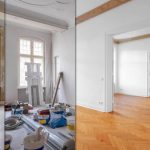
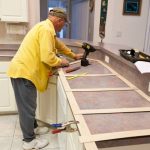
Imagine standing in your 1920s Queen Anne home in Capitol Hill. You pull back a corner of silk wallpaper, only to find crumbling plaster and a suspicious wire. This moment is the true start of renovating old home projects. It is a mix of excitement and sudden nerves as you realize your house has secrets.
Your vintage house is a beautiful piece of history. However, its bones might be tired after a century of standing tall against the wind. When you begin this journey, you want to keep the charm while adding modern comfort. It takes a soft touch and a very smart plan to make everything work perfectly together.
Every wall you open tells a new story about how people lived long ago. Sometimes those stories are wonderful, like finding hidden pocket doors. Other times, the stories are about old repairs that were not done quite right. You need a team that sees these issues as puzzles to solve rather than just big problems.
Table of Contents
ToggleWhat Lies Beneath Your Gorgeous Vintage Floorboards?
- Sinking Foundations: Older Seattle homes often sit on soil that shifts, causing floors to lean or doors to stick.
- Hidden Water Damage: Tiny leaks behind tiles can rot sturdy wood beams over many years without anyone ever noticing.
- Outdated Materials: Many homes built before the 1970s contain lead paint or asbestos that requires very careful, professional handling.
The structural health of your home is like the roots of a great tree. If the roots are weak, the rest of the house cannot shine. You might need to add steel beams or fix the concrete base. These steps ensure your home stays safe and level for another hundred years of family memories.
Does the weather have a role to play?
Pacific Northwest weather is very wet, and old houses were often built without modern moisture barriers. This means dampness can creep into places it does not belong. When you are renovating old home spaces, you must think about how the house breathes. You want a dry, warm environment that feels like a cozy, luxury retreat.
The “nervous system” of your house consists of all the wires and pipes hidden away. Ancient knob-and-tube wiring was great for a single lightbulb, but it cannot handle your modern kitchen. You need a total upgrade to keep your family safe. This work requires a delicate hand to avoid damaging your beautiful, original interior walls.
You might think a simple floor sanding is all you need, but the real mystery often starts when you look at the ceiling…
What are the other issues that you must deal with?
Plumbing is another silent challenge that can cause big headaches if ignored. Old pipes made of galvanized steel grow rusty on the inside over time. This makes your water taste metallic and reduces your shower pressure to a tiny drizzle. Replacing these with copper or modern flexible pipes makes a huge, wonderful difference.
When you decide on an old home renovation, you are choosing to be a guardian of history. You want your kitchen to look like it belongs in a magazine but work like a high-tech lab. This balance is hard to find. It requires craftsmen who know how to carve wood and also how to program smart lighting.
Read Also: How to Choose a Home Remodeling Contractor
How Do You Blend Modern Tech With History?
- Custom Cabinetry: Creating storage that matches the original wood grain while hiding a modern, oversized luxury refrigerator.
- Smart Climate Control: Hiding thin, powerful heating vents inside decorative baseboards so you stay warm without seeing bulky machines.
- Sound Insulation: Adding special quiet layers between floors so you do not hear every footstep from the rooms upstairs.
Energy efficiency is often the biggest surprise for homeowners. Old windows look poetic with their wavy glass, but they let in the cold Seattle breeze. You can keep the original frames but install new, invisible seals. This keeps your home quiet and reduces your heating bills significantly without changing the look you love.
At TBH Sterling, we believe your home should tell your story, not your contractor’s excuses. Our design-build model means we handle every single detail from the first sketch to the final polish. You get to enjoy the creative process while we handle the dust and the difficult math. It is about a stress-free experience.
What do we bring to the forefront?
True luxury is found in the details that most people never see. It is the solid feel of a door handle or the way light hits a corner. When remodeling an old house, these small touches define the entire atmosphere. You deserve a space that feels curated, sophisticated, and perfectly tailored to your specific lifestyle and taste.
The experts at TBH Sterling treat your 1910 estate with the same reverence as a museum piece. We use third-generation craftsmanship to ensure every joint is tight and every finish is smooth. This level of care is what sets a premium project apart from a quick fix. We build things that are meant to last forever.
Even with a perfect plan, the most shocking discovery usually happens the moment the first sledgehammer swings…
Are there any other concerns?
You must have a flexible budget because old houses always have a few surprises. We call these “unforeseen conditions,” and they are part of the house’s unique character. A good partner will help you plan for these so they do not ruin your joy. Transparency is the key to a happy and successful home transformation.
Layouts from the past were often very closed off and dark. Today, you likely want an open flow where light moves freely from room to room. Moving walls in an old structure is a delicate surgery. It requires a deep understanding of how the weight of the roof moves down to the ground through the timber.
Your home is your sanctuary, and it should reflect your success and your style. Every choice you make, from the marble in the bath to the brass in the kitchen, adds to the mosaic. Renovating old home interiors is an art form that brings the best of the past into the bright, beautiful present day.
We focus on creating a seamless transition between the old soul of the house and your new, modern life. The result is a home that feels like it has always been this perfect. You will feel a sense of pride every time you walk through your front door. It is a gift to yourself and your future.
Last Note
To wrap things up, your journey of old home renovation spaces is about honoring the past while embracing your future. You face challenges like aging pipes, shifting foundations, and tricky insulation, but these are all solvable with the right expert guidance. By choosing a design-build partner who values craftsmanship and transparency, you turn a complex project into a beautiful evolution. Your home will not just look better; it will function better, stay safer, and provide a luxurious backdrop for your life for decades to come. If you’re ready to transform your historic home into a modern, comfortable space, contact our team today for a consultation and start planning your renovation with confidence.
Questions You Might Have About Your Project
Q1:How much should I set aside for hidden repairs in an old home?
It is wise to keep about 15% to 20% of your total budget for surprises. Old houses often hide electrical issues or rot that only appear once we start work. This safety net ensures your project never stops moving.
Q2:Can I keep my original windows while making the home energy efficient?
Yes, you certainly can. We can restore the original wooden sashes and add discreet weather stripping or storm inserts. This preserves the historic wavy glass and charm while keeping your Seattle home warm, cozy, and very quiet throughout the winter.
Q3:How long does a full interior remodel typically take for a vintage house?
A high-end transformation usually takes between six to twelve months, depending on the size. Because we handle design and construction together, we move faster. We focus on quality and precision so the final result is absolutely perfect for you.
Q4:Is it possible to add a modern primary suite to a 100-year-old layout?
Absolutely. We specialize in reimagining small, cramped rooms into spacious, luxury retreats. By cleverly moving non-structural walls and updating the plumbing, we can create a spa-like bathroom and a walk-in closet that feels like it was always there.
Q5:Why is the design-build format better for an older home?
This format keeps the designer and the builder on the same team from day one. In an old house, the builder’s input is vital during the design phase. This prevents beautiful ideas from becoming impossible or too expensive to build later on.