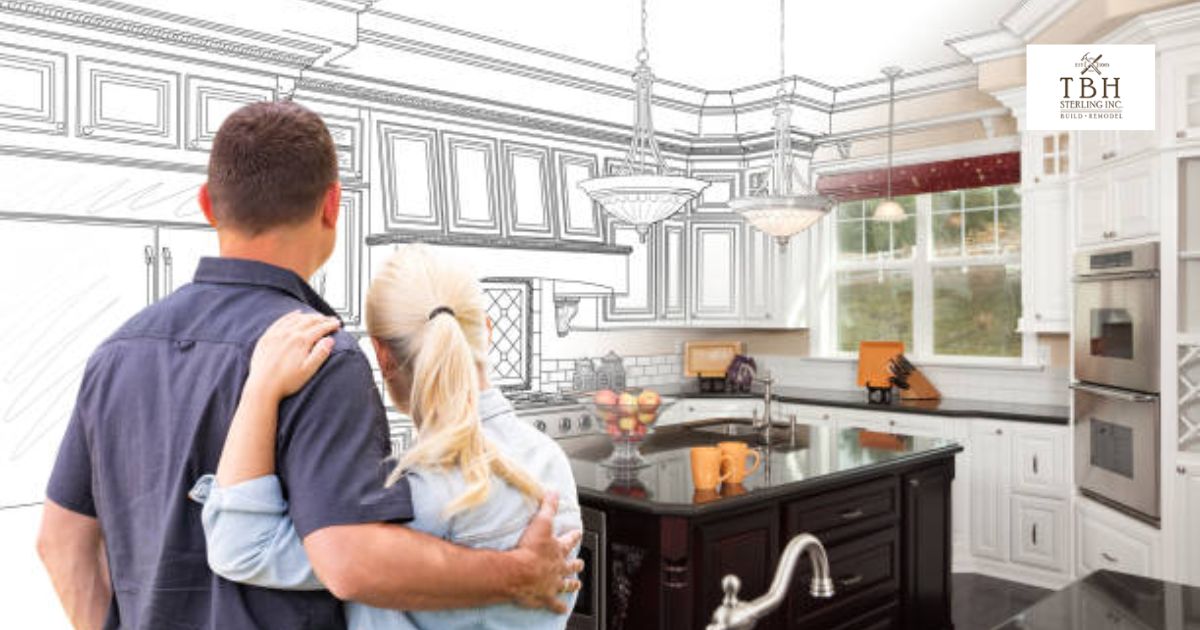
Expert consensus suggests that a successful Seattle Craftsman kitchen transformation requires a “sensitive evolution.” This means you honor the original 1910s soul while demanding 2026 performance. You should treat the heavy wood trim and earthy tones as a frame, then fill that frame with modern light and high-end culinary tools for a perfect home.
Table of Contents
ToggleWhy Does History Dictate Your Kitchen Layout?
When you think about kitchen remodeling in Seattle, you are really looking at a puzzle. These historic homes were built with “work triangles” that feel tiny today. Back then, kitchens were hidden rooms for chores. Now, you want a stage for entertaining. This shift requires moving walls while keeping the house’s skeletal strength intact.
Craftsman homes have a specific rhythm. They use thick fir or oak wood and deep windows. If you tear everything out without a plan, you lose the “hug” that a historic home gives you. You need to breathe new life into the space without sucking out the character. It is a delicate dance between the past and your future.
Read Also: Why the Average Kitchen Remodel Cost in Seattle Is Higher Than You Think?
Can You Have Open Spaces in a 1920s Home?
Most Seattle homeowners crave an open floor plan. However, a Craftsman home is defined by its distinct rooms. To solve this, you can create “cased openings.” This means you widen the doorway between the kitchen and dining room but keep the thick wood molding. It makes the house feel bigger while respecting the original design.
Think of your home like a classic book. You can add new chapters, but you should use the same font. By opening up the space, you let the natural Pacific Northwest light reach the back of the house. This makes your morning coffee feel like it is happening in a sun-drenched garden rather than a dark wooden box.
What Makes Craftsman Cabinetry So Distinctive?
The heart of your project lies in the wood. In kitchen remodeling in Seattle, Shaker-style doors are the gold standard. They are simple, clean, and honest. But for a luxury touch, you want inset cabinets. This is where the door sits flush inside the frame. It looks like a piece of fine furniture.
At TBH Sterling, the team uses third-generation craftsmanship to ensure every joint is perfect. It is about the “touch” of the wood. You want to feel the grain under your fingertips. Custom cabinets allow you to hide modern mess! You get the beauty of 1912 on the outside and the organization of 2026 on the inside.
Why Are Quartz Countertops the Modern Hero?
In the old days, people used wood or tile. Today, you want something that can handle a spilled glass of red wine without staining. Quartz countertops are the perfect solution. They can look like natural marble or soapstone but they are incredibly tough. They provide a smooth, cool surface for rolling out pie crusts.
For a Craftsman look, choose matte or “honed” finishes. You don’t want a high-gloss shine that feels like a Vegas hotel. You want a soft, velvet-like texture. This pairs beautifully with the rich wood of the cabinets. It creates a balance between the “hard” stone and the “soft” wood, making the kitchen feel inviting.
Read Also: Reclaimed and Recycled Materials in Kitchen Remodeling
Can Lighting Change the Way a Kitchen Feels?
Light is the most important “hidden” ingredient. In historic homes, the windows are often small or poorly placed. During your kitchen remodeling in Seattle, you should consider adding a box-beam ceiling with hidden LED strips. This adds a soft glow that mimics the warmth of a fireplace without the heat or the smoke.
You also need “task lighting” for chopping veggies. Under-cabinet lights are a must. For the “jewelry” of the room, look for schoolhouse-style pendants or hammered copper fixtures. These nod to the early 20th century while giving you bright, clear light. It makes the space functional during our grey, rainy Seattle winters.
What Role Does the Kitchen Island Play?
In a traditional Craftsman, there were no islands. But today, the island is the family hub. To make it fit, you should design it to look like a sturdy farmhouse table. Use “turned legs” or a different wood stain than the rest of the cabinets. This makes it feel like an antique piece of furniture.
The island is where kids do homework and friends sip wine. It bridges the gap between the cooking zone and the living zone. If you have the space, adding a small prep sink on the island can make your kitchen remodeling in Seattle much more efficient. It keeps the main sink clear for the big pots.
How Do You Choose a Palette That Lasts?
Craftsman homes love “earth tones.” Think of forest greens, deep ochres, and warm browns. But you don’t want the room to feel heavy or muddy. You can use creamy whites for the walls to bounce light around. This creates a “fresh” feeling while the dark wood trim keeps the room feeling cozy and expensive.
Selecting colors is like picking an outfit. You want a classic base with a few pops of personality. Maybe a handmade tile backsplash in a soft sage green? Or a copper sink that develops a beautiful patina over time? These choices show that you care about the details. They make your home feel unique and curated.
Is Plumbing and Electrical Work Different in Old Homes?
When you work with a professional kitchen remodeler Seattle residents trust, they will check your bones. Old homes often have “knob and tube” wiring or galvanized pipes. These need to go. Part of a luxury remodel is making sure the stuff you don’t see is just as high-quality as the stuff you do see.
Upgrading these systems is like giving your house a new heart and lungs. It makes the home safer and more efficient. You won’t have to worry about a circuit breaker tripping when you turn on the microwave and the blender at the same time. It provides peace of mind that lasts for decades, not just years.
How Does TBH Sterling Manage the Chaos?
Renovating a home can feel like a storm, but it doesn’t have to be. TBH Sterling uses a “Client-Experience-First” approach. This means we handle everything from the first drawing to the final coat of paint. You don’t have to hunt for a plumber or an electrician. We act as the conductor of the whole orchestra.
Your home is more than just four walls; it is a piece of Seattle’s history. Balancing that heritage with your modern lifestyle is an art form. By choosing the right materials and a team that understands the soul of a Craftsman, you create a space that feels both timeless and fresh.
Frequently Asked Questions
Q1:How long does a Craftsman kitchen remodel usually take?
Typically, a full design-build project takes four to six months. This includes the planning phase, ordering custom materials, and the actual construction. We focus on doing it right the first time to avoid any future delays.
Q2:Can I keep my original wood floors?
Yes, most original fir or oak floors can be refinished. We often patch in matching wood where walls were moved. This keeps the history alive under your feet while making the floor look brand new and refreshed.
Q3:What is the average cost for a high-end Seattle kitchen?
For a full-service, custom remodel in a historic home, budgets usually range from $80,000 to over $200,000. This covers everything from structural changes and custom cabinetry to luxury appliances and professional design services.
Q4:Are quartz countertops better than granite for old homes?
Quartz is often preferred because it requires less maintenance and offers a more consistent look. It fits the “clean lines” of Craftsman design better than the busy patterns often found in granite, providing a calmer aesthetic.
Q5:Will a remodel increase my home’s resale value?
Absolutely. In the Seattle market, a kitchen that balances historic charm with modern functionality is a huge selling point. It respects the neighborhood’s character while offering the luxury features that modern buyers are searching for.